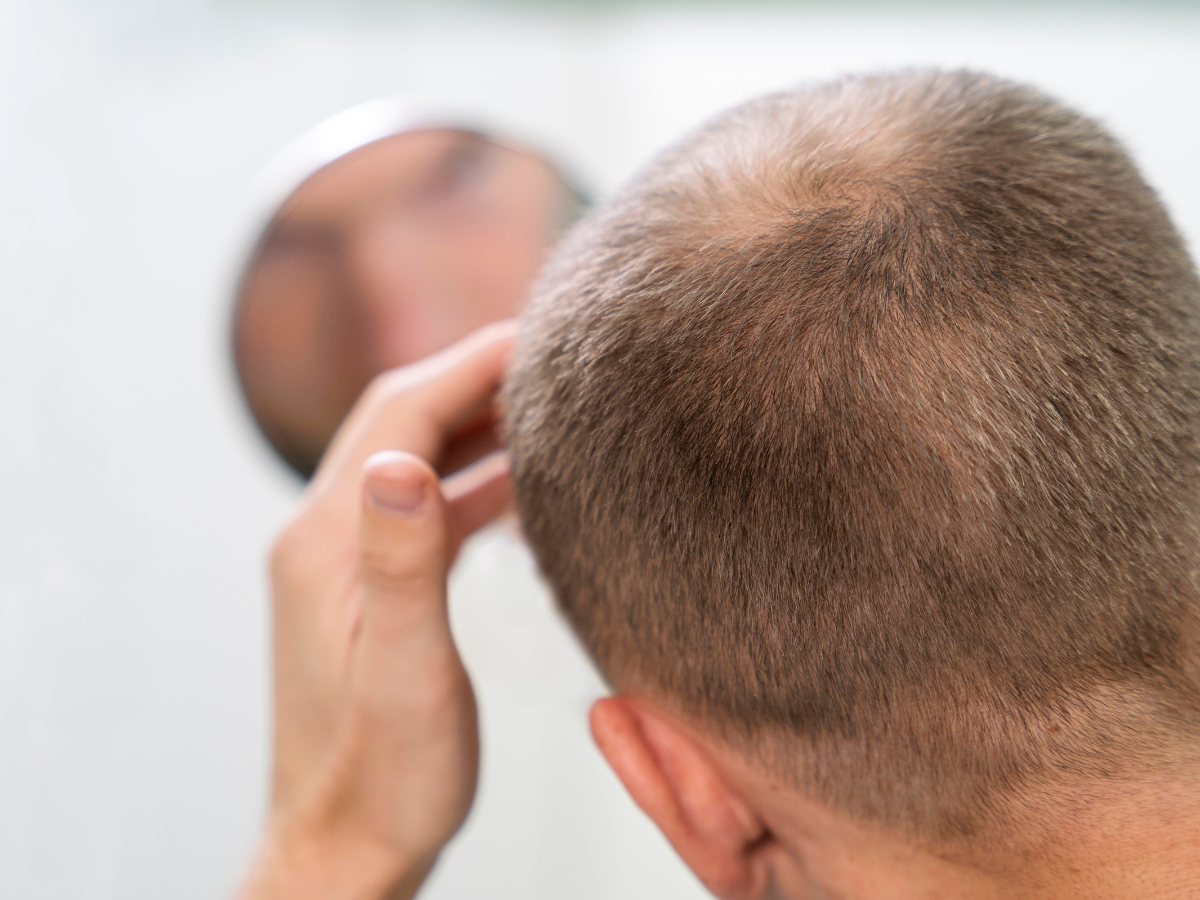
Weight Loss Treatment for Men Over 40

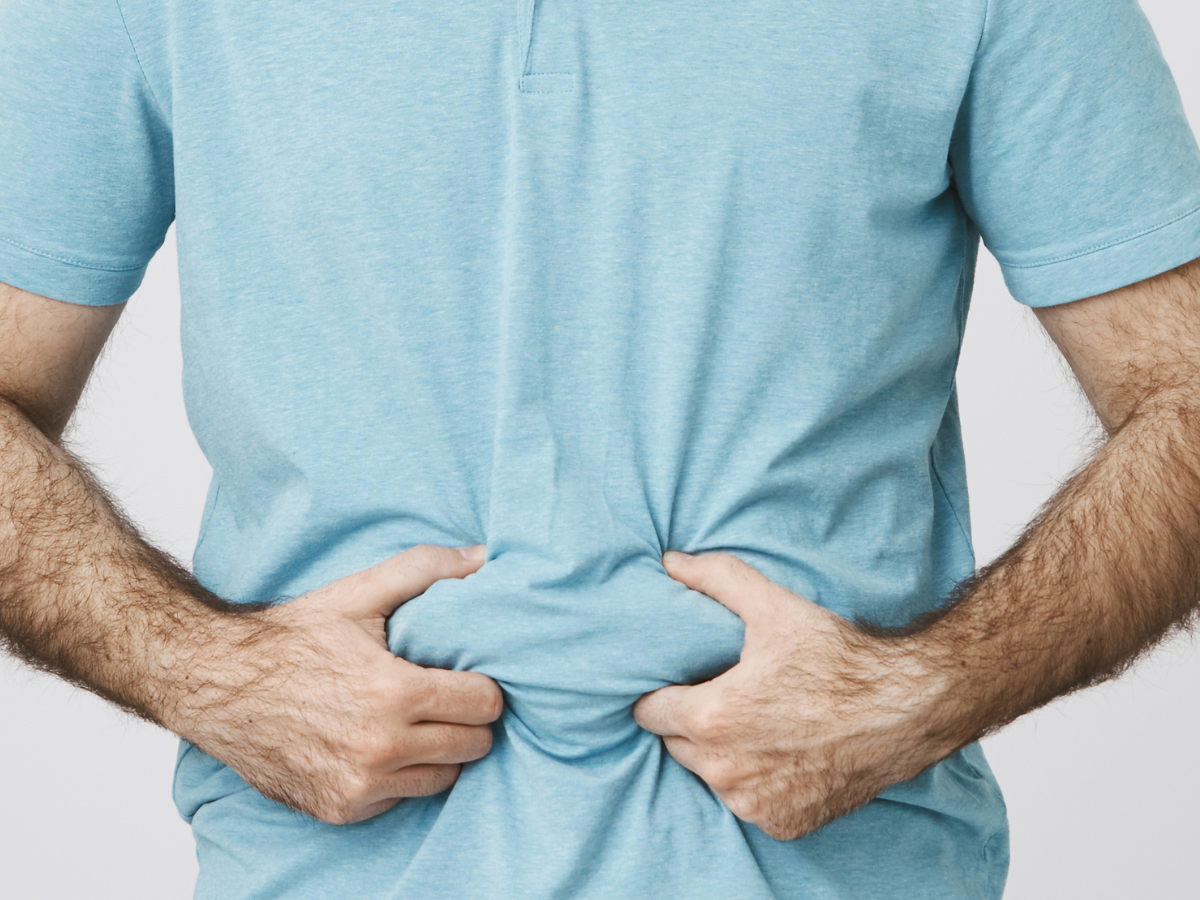
- Age and lifestyle impact weight gain. Slower metabolism, reduced muscle mass, hormonal changes, and daily routines make abdominal fat more common after 40.
- Balanced lifestyle is the foundation. Nutrition, strength training, cardio, proper sleep, and stress management are essential for effective weight loss.
- Medical guidance supports safe, sustainable results. A licensed doctor can help determine if lifestyle changes are enough or if supervised treatment is needed, ensuring long-term success.
Learn about weight loss treatment for men over 40, including lifestyle changes and medically guided options for effective results. Start an online assessment today!
Weight gain becomes more common for many men after the age of 40. Even those who previously maintained a stable weight may begin to notice gradual fat accumulation, especially around the abdomen. For those considering weight loss, these changes can feel frustrating and difficult to manage.
These shifts are not simply about willpower. Natural changes in metabolism, hormone levels, muscle mass, and daily activity can all affect how the body stores and burns fat. Understanding these factors is the first step in identifying appropriate treatment options.
Medical guidance can help determine whether lifestyle adjustments are enough or whether a structured, doctor-supervised plan may be more appropriate
Why Weight Gain Becomes More Common After 40
Several physiological changes contribute to weight gain in men over 40.
Slower Metabolism
Basal metabolic rate gradually declines with age. This means the body burns fewer calories at rest than it did in earlier years. Even if eating habits remain the same, weight gain can occur over time.
Loss of Muscle Mass
Muscle tissue naturally decreases with age, a process known as sarcopenia. Because muscle burns more calories than fat, losing muscle reduces overall calorie expenditure.
Hormonal Changes
Testosterone levels gradually decline beginning in the late 30s and early 40s. Lower testosterone levels may contribute to increased body fat, particularly around the midsection, and reduced muscle mass.
Lifestyle Factors
Work demands, family responsibilities, stress, and reduced physical activity also play a significant role. Many men spend more time sitting and less time engaging in structured exercise compared to earlier decades.
Together, these factors create an environment where weight gain can occur gradually and persistently.
Common Weight Loss Challenges for Men
Men over 40 often report similar difficulties when attempting to lose weight.
Time Constraints
Busy schedules can make daily gym sessions, structured meal planning, or intensive diet programs difficult to maintain long-term.
Weight Loss Plateaus
Initial weight reduction may slow or stop entirely, even with continued effort. This can be discouraging and may lead to abandoning the plan.
Increased Abdominal Fat
Fat stored around the abdomen is often more resistant to change and is associated with higher cardiovascular risk.
Underlying Health Conditions
Conditions such as high blood pressure, high cholesterol, insulin resistance, or type 2 diabetes may complicate weight management and require medical oversight.
Recognizing these challenges can help guide a realistic and sustainable approach to weight loss treatment.
Understanding Weight Loss Treatment Options
Weight loss treatment for men over 40 generally involves a combination of lifestyle modification and, in some cases, medical intervention.
A licensed doctor may evaluate:
- Body mass index (BMI)
- Waist circumference
- Blood sugar levels
- Lipid profile
- Blood pressure
- Medical history and current medications
This evaluation helps determine whether weight loss can be managed through diet and exercise alone or whether prescription treatment may be considered.
Lifestyle-Based Weight Management
For many men, structured lifestyle changes remain the foundation of weight loss treatment.
Nutrition
A balanced dietary pattern may include:
- Lean protein sources such as fish, poultry, eggs, tofu, and legumes
- Fiber-rich vegetables and whole grains
- Healthy fats from olive oil, nuts, seeds, and avocado
- Reduced intake of refined carbohydrates and sugary beverages
Protein intake is particularly important for preserving muscle mass during weight reduction. Fiber supports satiety and digestive health.
Rather than extreme dieting, gradual calorie reduction under guidance is often more sustainable.
Physical Activity
Exercise supports fat reduction and protects muscle mass.
Strength training is especially important for men over 40 because it helps counteract age-related muscle loss and supports metabolic function.
Cardiovascular activity improves heart health and increases overall calorie expenditure.
A balanced weekly routine may include:
- Two to three strength training sessions
- One to two moderate cardio sessions
- Daily walking or light movement
Consistency is more important than intensity.
Sleep and Stress
Sleep deprivation can disrupt hunger hormones such as ghrelin and leptin, leading to increased appetite. Chronic stress may elevate cortisol levels, which are associated with abdominal fat accumulation.
Prioritizing 7–8 hours of sleep per night and incorporating stress management techniques such as walking, breathing exercises, or mindfulness practices may support weight control.

When Medical Weight Loss Treatment May Be Considered
In some cases, lifestyle changes alone may not produce sufficient results. Medical weight loss treatment may be considered when:
- BMI falls within the overweight or obesity ranges
- There is a history of weight regain after dieting
- Metabolic conditions such as prediabetes or type 2 diabetes are present
- Cardiovascular risk factors are elevated
A licensed doctor can determine whether prescription medication is appropriate based on an individual's health status.
The Importance of Medical Supervision
Weight loss medication should only be used under the supervision of a licensed doctor.
Medical supervision allows for:
- Screening for contraindications
- Monitoring of blood markers
- Dose adjustments when necessary
- Ongoing assessment of safety and effectiveness
Regular follow-up ensures that treatment remains aligned with overall health goals.
Health Benefits of Moderate Weight Reduction
Even modest weight reduction may contribute to measurable health improvements.
Potential benefits include:
- Lower blood pressure
- Improved blood sugar levels
- Reduced cholesterol levels
- Decreased strain on joints
- Improved energy and mobility
For men with increased cardiovascular risk, structured weight management may reduce long-term complications.
Setting Realistic Expectations
Sustainable weight loss typically occurs gradually. Rapid or extreme dieting may lead to muscle loss, nutrient deficiencies, or weight regain.
A realistic approach focuses on:
- Gradual fat reduction
- Preservation of muscle mass
- Long-term habit formation
- Ongoing monitoring
Individual results vary based on metabolism, adherence, health conditions, and lifestyle factors.
Frequently Asked Questions
Choosing the right approach to weight management after 40 requires careful consideration of age-related changes, metabolic health, and daily lifestyle factors. An early medical assessment can help identify underlying contributors and determine whether lifestyle adjustments alone are sufficient or whether structured, doctor-guided treatment may be appropriate. Understanding your overall health profile is an important step toward safe and sustainable weight loss for men.
If you are concerned about weight gain, increasing abdominal fat, or changes in metabolic health, seeking professional guidance can provide clarity. A structured plan that includes proper evaluation, ongoing monitoring, and realistic goal setting may support long-term success.
You may begin with an online assessment to better understand your condition and discuss appropriate treatment options with a licensed doctor.
At GoRocky, we're here to help men take charge of their health: confidently, discreetly, and without judgment.
We provide access to experts who can perform medical consultations that can assess for common issues like erectile dysfunction, while guiding you through real concerns about men's health.
Our goal? A world where men are healthier, happier, and more confident, starting with you. No stress, no shame, just straightforward care that works.
For more information, reach out at [email protected] or call +63 966 952 8623.
Dr. Rona Clarisse T. Canlas, MD is a licensed physician and general practitioner who helps ensure that GoRocky’s health content is medically accurate, evidence-based, and easy for patients to understand.
*The information provided on this platform is intended for educational purposes only and is not a substitute for professional medical advice, diagnosis, or treatment.