
Hair Loss Treatment Solutions in the Philippines

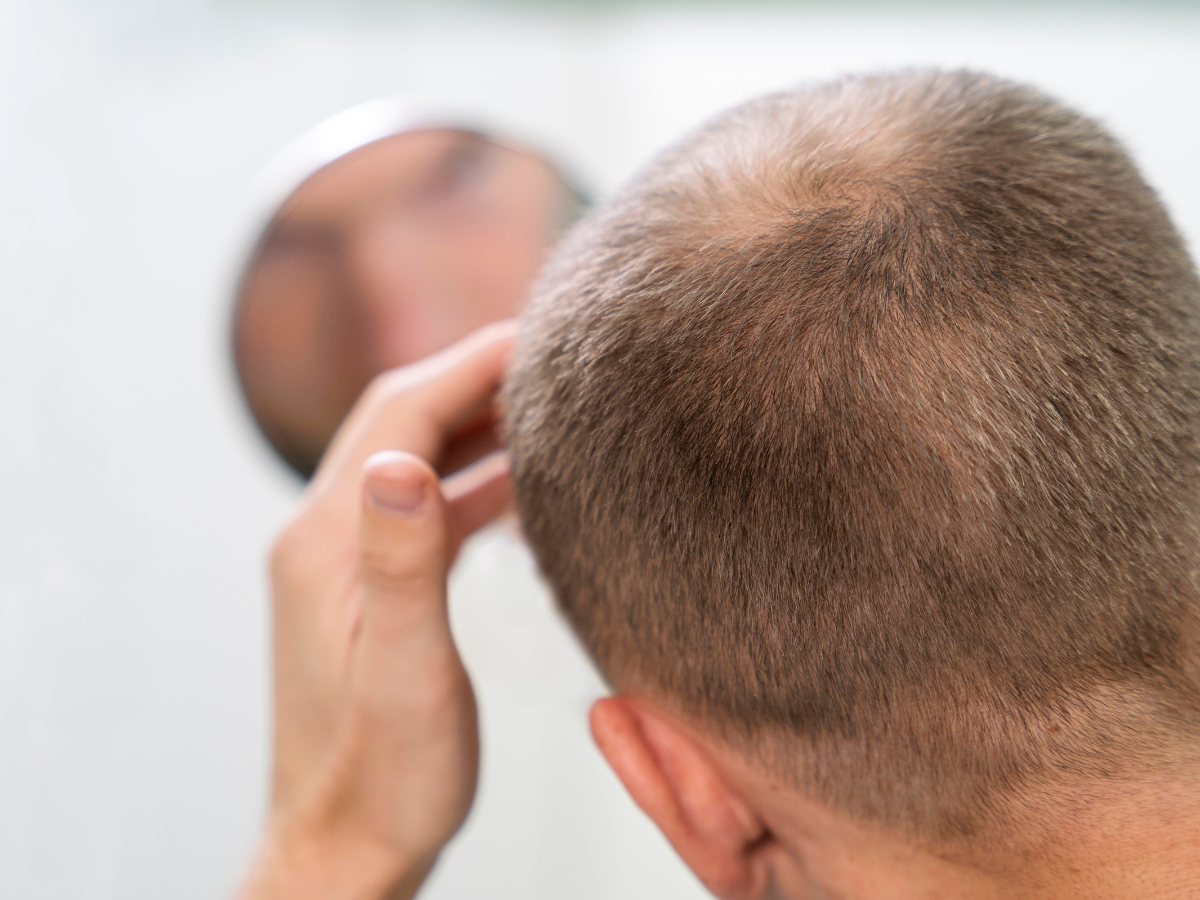
- Identify your hair loss stage and pattern early to guide medically appropriate treatment.
- Licensed doctors can recommend hair loss medication and combination plans tailored to individual causes.
- Lifestyle measures, such as balanced nutrition, stress management, and proper scalp care, complement medical treatment and support long-term hair health.
Hair thinning and hair loss can affect confidence, self-esteem, and overall well-being. Many people try shampoos, serums, or supplements without understanding the root cause, which can delay effective intervention. Hair loss can result from genetics, hormonal changes, lifestyle habits, stress, or underlying health conditions.
Recognizing hair loss early and consulting a licensed doctor can help you make informed decisions about hair loss treatment options while improving the chances of maintaining healthy hair and scalp. Online consultations allow individuals to access professional guidance discreetly and safely, providing a convenient way to explore medically appropriate solutions.
What Causes Hair Loss?
Hair loss does not have a single cause. Understanding what triggers hair thinning is crucial for selecting effective treatment. Some common factors include:
- Genetics and DHT hormone sensitivity – Genetic predisposition can make hair follicles sensitive to dihydrotestosterone (DHT), leading to gradual miniaturization and thinning.
- Hormonal imbalances – Conditions affecting thyroid function, testosterone, or other hormones can contribute to shedding and slowed growth.
- Stress or major life events – Emotional stress, illness, or trauma can temporarily shift hair follicles into a shedding phase, causing noticeable hair loss.
- Nutritional deficiencies – Lack of adequate protein, iron, zinc, or other nutrients can affect hair follicle function and hair strength.
- Recovery after illness – Certain medications, surgeries, or illnesses can trigger temporary hair shedding.
Both internal factors (hormones, nutrition, overall health) and external factors (styling, chemical treatments, environmental exposure) influence hair and scalp health. Early, medically guided intervention improves the likelihood of visible improvement and helps maintain long-term hair density.
Recognize Your Hair Loss Pattern
Knowing the stage of hair loss is essential for selecting the right treatment. Proper evaluation by a qualified medical professional can help determine the most appropriate approach for your specific condition.
Early Thinning Stage
- Signs: Slight widening of the hair part, reduced hair volume, and increased shedding during washing or styling.
- Approach: Early intervention with topical or oral hair loss options may help maintain follicle health and prevent progression. Treatment decisions should be based on proper medical assessment and recommendations from a licensed healthcare provider.
Moderate Hair Loss Stage
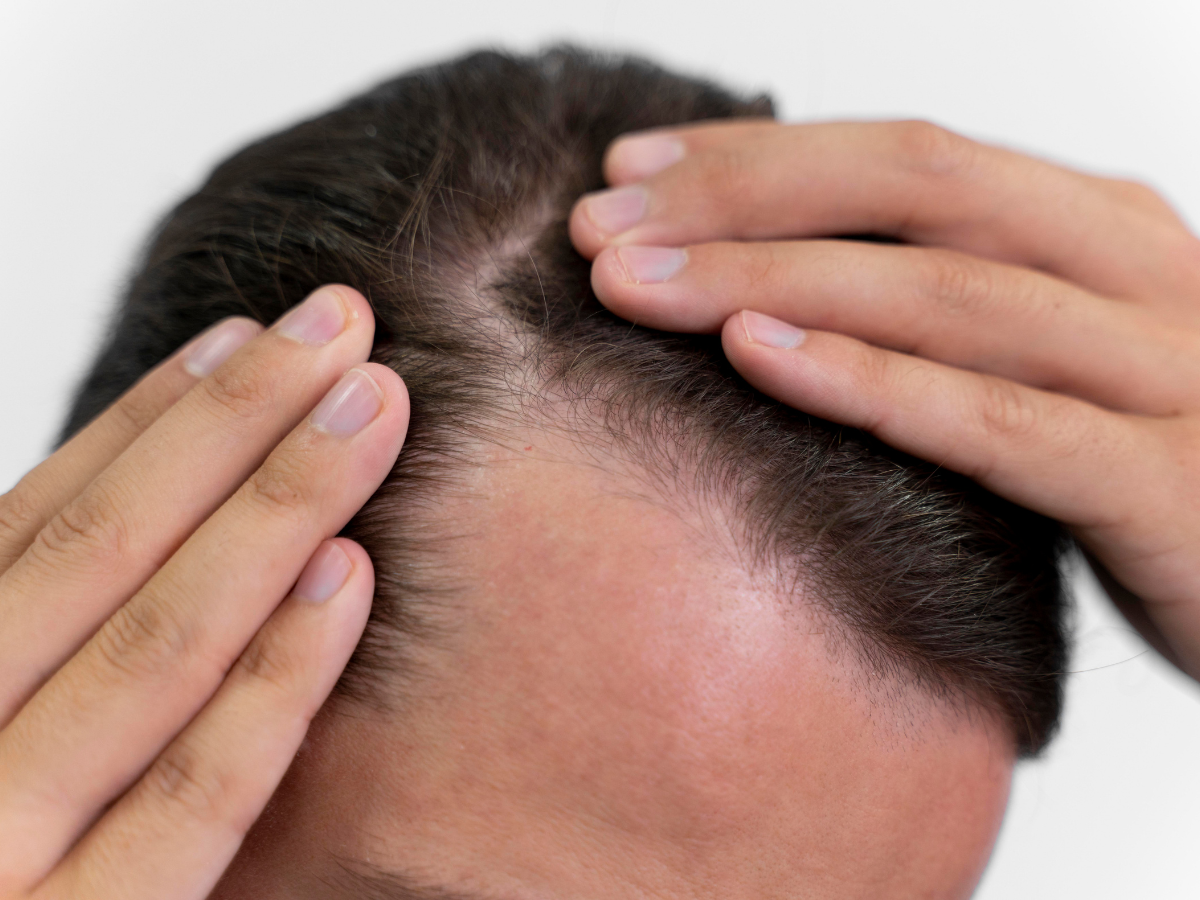
- Signs: Thinning crown, early hairline recession, consistent daily shedding.
- Approach: Daily treatment and regular monitoring are often recommended to support regrowth and slow further hair loss. A medical expert can evaluate underlying causes and suggest evidence-based treatment options tailored to your needs.
Active or Progressive Hair Loss Stage
- Signs: Rapid thinning over several months, noticeable scalp exposure, and strong family history.
- Approach: Combination treatments (oral + topical) may be considered to address multiple contributing factors. These options should be prescribed and supervised by a medical professional to ensure safety and effectiveness.
Recognizing the pattern of hair loss early and consulting a medical expert can help you choose an approach that aligns with your specific condition, overall health, and long-term hair goals.
Understanding Hair Loss Treatments
Hair loss treatments vary depending on the underlying cause, stage of hair loss, and individual health factors. A proper diagnosis and treatment plan should always be based on the evaluation and recommendation of a qualified medical professional.
Oral Treatments
- Typically prescribed for hereditary or hormone-related hair loss.
- They work by reducing the effect of DHT on hair follicles and slowing follicle shrinkage.
- These treatments are generally most effective when used consistently over time and under medical supervision to ensure safety and appropriate dosing.
Topical Treatments
- Applied directly to the scalp to target thinning areas.
- They can help stimulate follicle activity and support the natural hair growth cycle.
- Topical options are often recommended for early thinning or localized hair loss, based on clinical assessment and expert guidance.
Combined Approaches
- Using oral and topical treatments together may address both internal and external contributors to hair loss.
- This approach can provide more consistent results in moderate to advanced stages, particularly when tailored and monitored by a licensed healthcare provider.
- Consulting a medical expert ensures that the chosen treatment aligns with your hair loss pattern, overall health, and long-term goals.
The Importance of Early Hair Loss Evaluation
Hair follicles gradually shrink if hair loss is untreated, which reduces responsiveness to treatment and slows regrowth. Early evaluation with a licensed doctor allows you to:
- Identify the underlying cause of hair loss
- Recommend medically appropriate oral or topical treatments
- Monitor treatment response and adjust the plan as needed
Acting early can help slow hair loss, keep your hair healthy, and improve the chances of regrowth.
How Licensed Doctors Guide Hair Loss Treatment
Medical supervision helps ensure that hair loss treatment is safe and effective. A licensed doctor can evaluate your health profile to determine whether specific hair loss medication may be appropriate. Online assessments provide a confidential way to share your symptoms and medical history, allowing doctors to give advice based on professional expertise.
Doctor-guided treatment focuses on:
- Choosing the right medication for your specific hair loss cause
- Determining safe dosage and monitoring for possible side effects
- Adjusting the plan as needed to match individual progress
Signs You May Need Treatment
Seek evaluation from a licensed doctor if you notice:
- Increased daily hair shedding
- Thinning crown or receding hairline
- Visible scalp under normal lighting
- Reduced hair volume or ponytail thickness
Early consultation helps prevent further thinning and improves the chances of maintaining hair density and promoting regrowth.
Lifestyle Factors That Support Hair Health
While medical treatment addresses the underlying cause, lifestyle factors also play a key role:
- Balanced diet: Adequate protein, iron, zinc, and vitamins support hair follicle health.
- Stress management: Practices such as mindfulness, meditation, and regular physical activity can reduce stress-induced shedding.
- Scalp care: Gentle hair washing, avoiding harsh chemicals, and minimizing heat styling help maintain follicle integrity.
- Regular health checkups: Monitoring hormone levels and nutritional status can identify contributing factors early.
Integrating these measures alongside medically guided treatment often enhances outcomes.
Frequently Asked Questions
Selecting the most effective hair loss treatment depends on understanding your stage and pattern of hair loss, identifying the underlying causes, and maintaining consistency with your treatment plan. Early thinning, moderate shedding, or advanced hair loss each requires different strategies to achieve the best results. Factors such as genetics, hormones, stress, or nutrition can influence which interventions are most suitable.
Consulting a licensed doctor early helps you determine medically appropriate options tailored to your needs. This may include hair loss medication when necessary, combined with other supportive approaches to maintain follicle health, slow thinning, and increase the likelihood of regrowth.
At GoRocky, we're here to help men take charge of their health — confidently, discreetly, and without judgment.
We provide access to experts who can perform medical consultations that can assess for common issues like erectile dysfunction, while guiding you through real concerns about men's health.
Our goal? A world where men are healthier, happier, and more confident — starting with you. No stress, no shame, just straightforward care that works.
For more information, reach out at [email protected] or call +63 966 952 8623.
Dr. Rona Canlas is a dedicated general practitioner who graduated from the University of the Philippines - Manila, College of Medicine.
*The information provided on this platform is intended for educational purposes only and is not a substitute for professional medical advice, diagnosis, or treatment.