
GLP-1 medications found to slow the growth of certain cancers
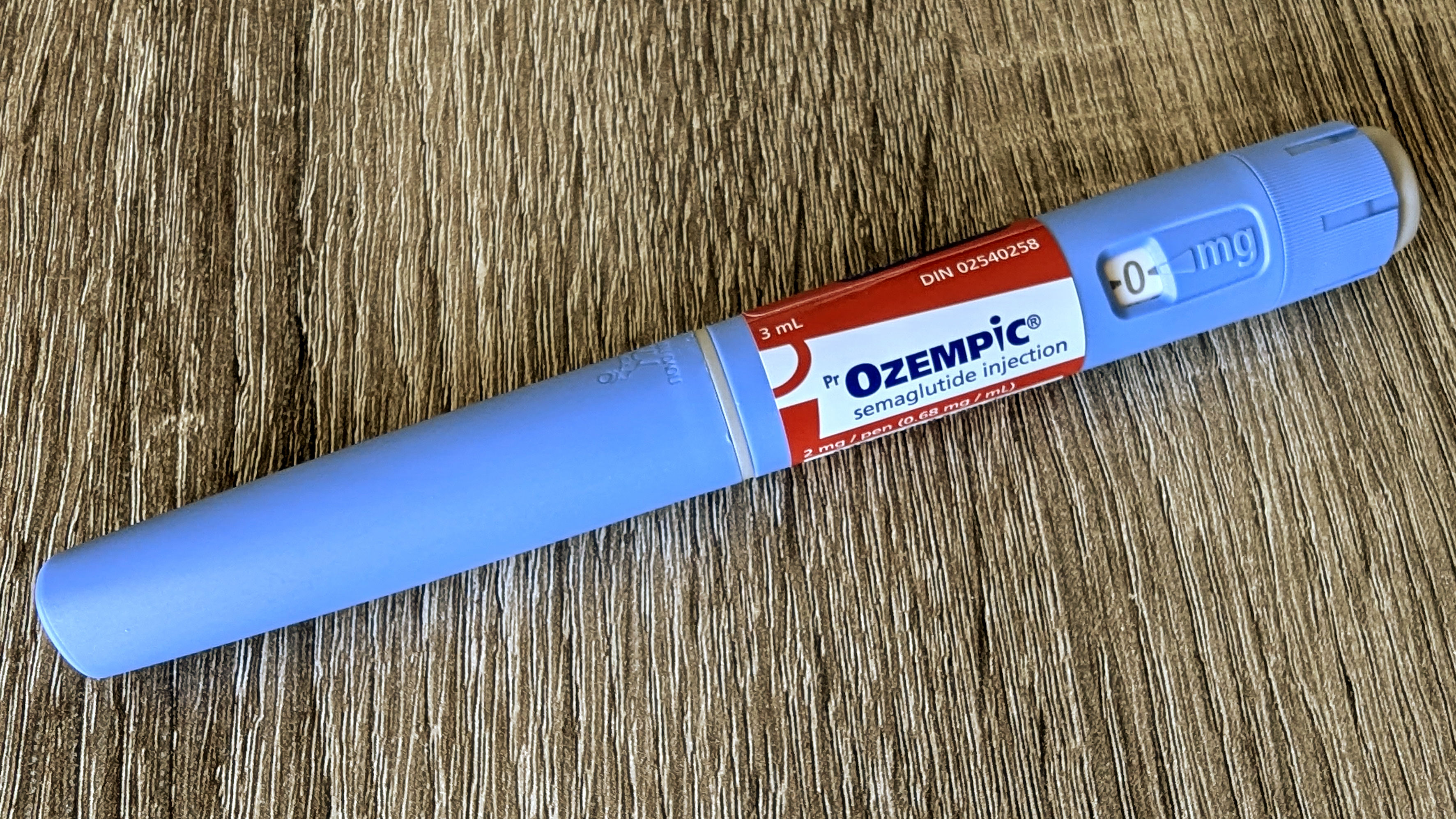
A recent study has found that taking GLP-1 weight loss medications such as semaglutide and tirzepatide may slow the growth of some obesity-related cancers, potentially leading to greater survival rates.
GLP-1s may help prevent stage IV cancer
This information comes from a large retrospective cohort study presented at the American Society of Clinical Oncology’s 2026 Breakthrough Meeting. The study showed that the usage of glucagon-like peptide-1 receptor agonists, or GLP-1s, was significantly associated with lower stage IV cancer incidences for four cancer types - lung, breast, colorectal, and liver.
The study compared how quickly seven obesity-related cancers progressed in people who were taking GLP-1s compared to people who were taking DPP-4 inhibitors, an oral type 2 diabetes medication.
People with certain lung, breast, colorectal, and liver cancers were 38 to 50 percent less likely to see their cases develop into stage IV cancer when compared to people who were on DPP-4 inhibitors.
There was also some evidence that GLP-1s affected the rate of metastasis in the three other cancers that were studied - prostate, pancreatic, and kidney - but further research was needed to determine whether the differences were statistically significant.
As GLP-1 use expands, so does the research
More and more people around the world are taking GLP-1s for necessary health concerns, and interest in GLP-1s is only continuing to grow. This popularity is also seen in the scientific world, with more researchers examining how GLP-1 medications affect health beyond weight loss and diabetes management.
“Hundreds of millions of people are taking or will soon take GLP-1 medications for the treatment of obesity and diabetes,” said Dr. Aparna Kamat, director of the Division of Gynecologic Oncology at Houston Methodist Hospital, in an interview with Medical News Today.
“Identifying additional benefits [to taking GLP-1s] could help us understand the biological pathways influenced by these drugs and uncover new opportunities for disease prevention and treatment, including cancer prevention,” she said.
Kamat is the senior author of another study recently published in the journal Annals of Oncology that found links between GLP-1 use and a decrease in the overall risk of developing certain obesity-related cancers, even in people without diabetes.
Her study examined health data from over 229,000 obese, non-diabetic people in the United States. She and her team found that GLP-1 use is linked to a 41 percent lower risk of developing obesity-related cancers - a percentage that rose even higher for specific cancers, including a 58 percent lower risk of endometrial cancer.
“We are not ready to say these drugs prevent cancer. Our study cannot prove causation,” cautioned Kamat. “But we are ready to say this finding demands a serious answer. Given the rapidly increasing use of these medications, even a modest reduction in cancer incidence could have important public health implications.
At GoRocky, we're here to help men take charge of their health: confidently, discreetly, and without judgment.
We provide access to experts who can perform medical consultations that can assess for common issues like erectile dysfunction, while guiding you through real concerns about men's health.
Our goal? A world where men are healthier, happier, and more confident, starting with you. No stress, no shame, just straightforward care that works.
For more information, reach out at [email protected] or call +63 966 952 8623.
(2026, May 22). Ozempic and other GLP-1 RAs could slow progression of some cancers [Review of Ozempic and other GLP-1 RAs could slow progression of some cancers]. Scimex.com; Australian Science Media Center. https://www.scimex.org/newsfeed/ozempic-and-other-glp-1-ras-could-slow-progression-of-some-cancers
Pelc, C. (2026, June 16). Weight loss drugs slash risk of 4 types of cancer by 50% or more, study finds. Medicalnewstoday.com; Medical News Today. https://www.medicalnewstoday.com/articles/weight-loss-drugs-glp-1-slash-risk-4-types-cancer-50-or-more-study