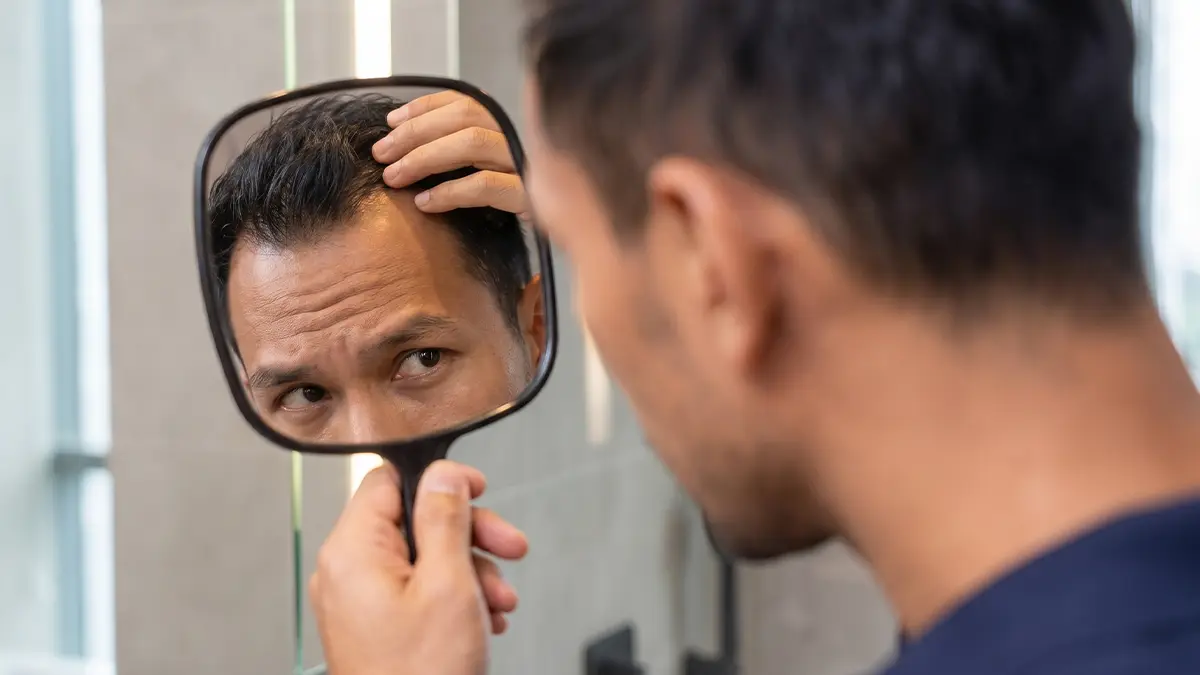
Learn How to Prevent Hair Loss Effectively

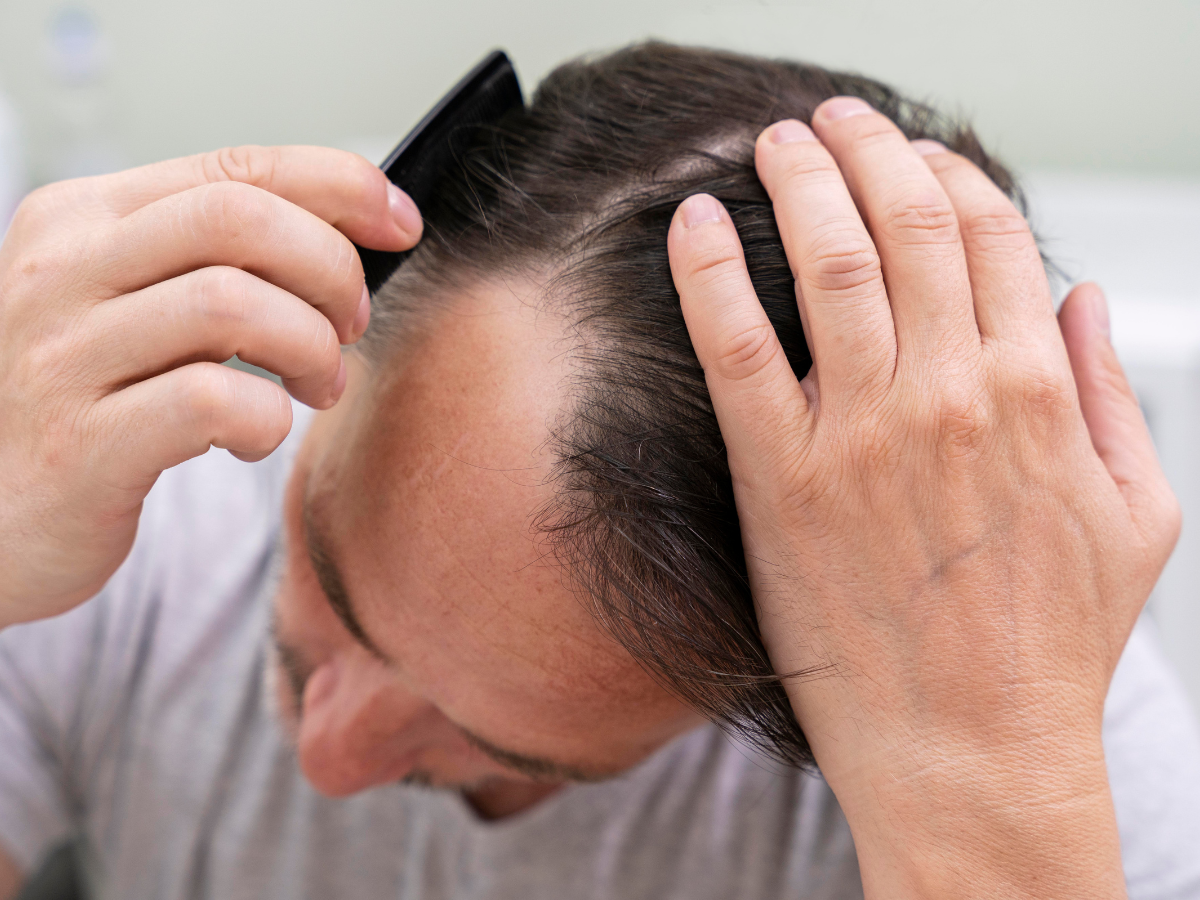
Learning how to prevent hair loss helps protect confidence and supports overall wellness. Healthy hair reflects both physical and mental health, making proper scalp and lifestyle care important.
Factors like genetics, hormones, nutrition, and stress influence hair health, but consistent, medically informed routines can help reduce shedding and support growth.¹ Simple habits such as gentle hair care, a balanced diet, regular exercise, and enough sleep can help maintain strong, healthy hair.
This article explains practical ways to prevent hair loss and maintain long-term hair health.
Understanding Hair Loss
Hair loss is a common condition that can affect appearance and confidence, but understanding its causes helps you take proactive steps to maintain healthy hair.
Hair shedding may occur due to genetics, hormonal changes, stress, nutrition, and hair care habits. Identifying these factors allows you to make informed choices to support hair strength and reduce thinning.
Step-by-Step Guide to Prevent Hair Loss
Maintain a Nutrient-Rich Diet
Hair requires essential nutrients for growth and maintenance:
- Protein from lean meats, eggs, and fish
- Iron from leafy greens like spinach and kale
- Zinc from nuts and seeds⁴
- Vitamin C from fruits such as oranges and berries
Nutrient deficiencies can contribute to hair shedding and weakened hair structure.
Manage Stress
Chronic stress may trigger temporary hair shedding.
Helpful strategies include:
- Daily mindfulness or meditation
- Moderate exercise several times a week
- Regular rest periods to reduce tension
Adopt Proper Hair Care Habits
- Minimize heat from styling tools
- Use mild shampoos without harsh chemicals
- Gently massage the scalp to support circulation
Consider Medical Informational Treatments
Topical treatments such as minoxidil are FDA-approved options that may help promote hair regrowth in some individuals.⁶
A consultation with a licensed doctor is recommended before starting any hair treatment to determine suitability.
Maintain Healthy Lifestyle Habits
- Sleep 7–8 hours per night
- Avoid smoking and excessive alcohol consumption
- Maintain regular physical activity
Hair Loss Prevention for Men
Men are more likely to experience androgen-related hair loss due to genetic sensitivity to hormones.
Early preventive measures may include:
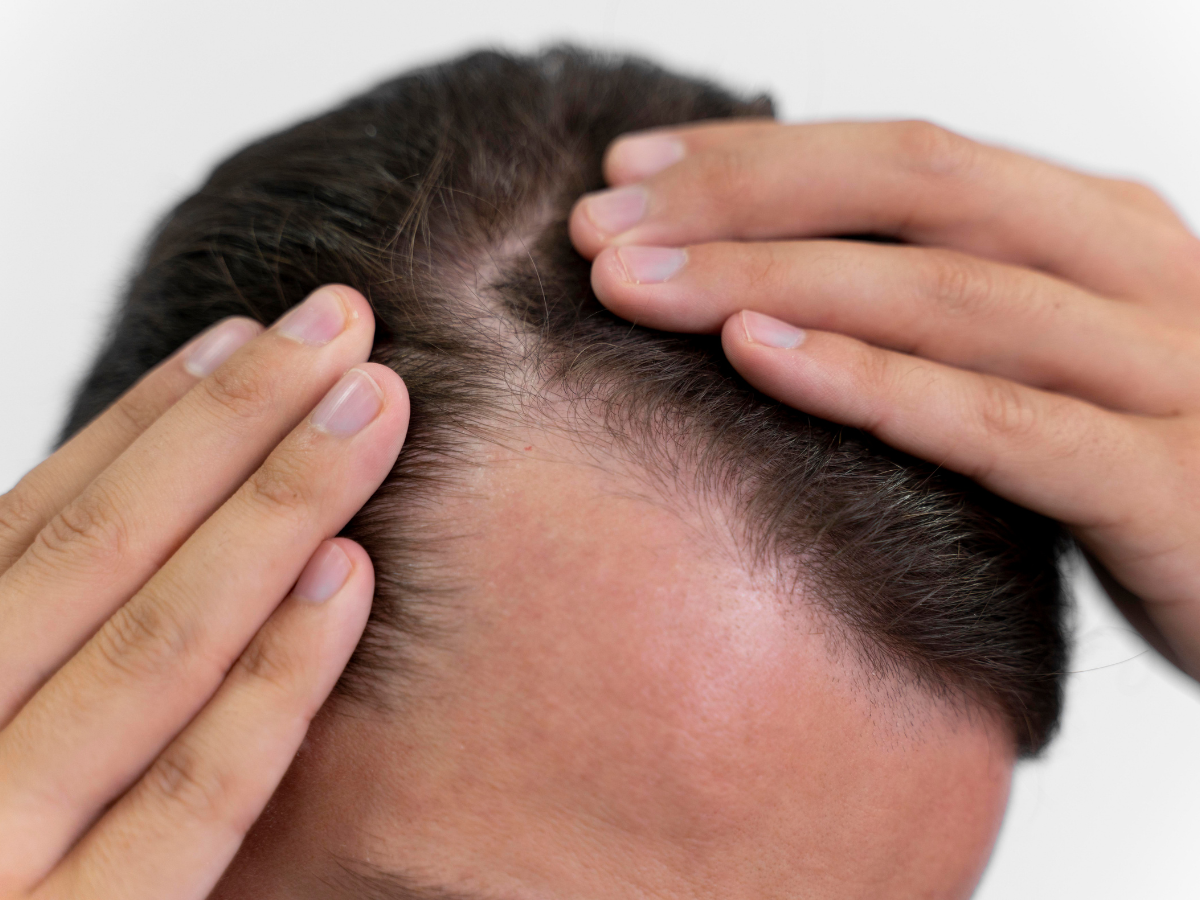
- Monitoring hairline and density changes
- Seeking medical assessment early
- Following consistent hair care and nutrition routines
Early intervention may help slow progression and support better long-term outcomes.
Practical Hair Care Tips
- Wash hair 1–2 times weekly to avoid scalp dryness
- Use a wide-tooth comb to reduce breakage
- Protect hair from excessive sun exposure
- Avoid frequent chemical treatments
Simple daily habits, combined with proper nutrition and stress management, support long-term scalp and hair health.
Frequently Asked Questions
Regular exercise improves circulation, while hydration and sleep support overall follicle function. Avoiding smoking and limiting alcohol further reduces risk factors associated with hair thinning.
Combining these habits with consistent hair care helps maintain stronger, healthier hair over time.
Preventing hair loss requires consistent care, proper nutrition, stress management, and professional guidance. A proactive approach helps identify risks early and supports stronger, healthier hair.
Simple habits like gentle hair care, a balanced diet, enough sleep, and stress control can make a lasting difference. Combining these with medical advice helps maintain scalp health and support natural hair growth.
Consistency and awareness are key to long-term hair loss prevention for male.
- National Library of Medicine (MedlinePlus). Hair loss or alopecia [Internet]. Bethesda (MD): U.S. National Library of Medicine; 2024 [cited 2026 Mar 30]. Available from: https://medlineplus.gov/hairloss.html
- National Library of Medicine (MedlinePlus Genetics). Androgenetic alopecia [Internet]. Bethesda (MD): U.S. National Library of Medicine; 2024 [cited 2026 Mar 30]. Available from: https://medlineplus.gov/genetics/condition/androgenetic-alopecia/
- National Institutes of Health Office of Dietary Supplements. Iron fact sheet for health professionals [Internet]. Bethesda (MD): NIH; 2024 [cited 2026 Mar 30]. Available from: https://ods.od.nih.gov/factsheets/Iron-HealthProfessional/
- National Institutes of Health Office of Dietary Supplements. Zinc fact sheet for health professionals [Internet]. Bethesda (MD): NIH; 2024 [cited 2026 Mar 30]. Available from: https://ods.od.nih.gov/factsheets/Zinc-HealthProfessional/
- National Institutes of Health Office of Dietary Supplements. Biotin fact sheet for health professionals [Internet]. Bethesda (MD): NIH; 2024 [cited 2026 Mar 30]. Available from: https://ods.od.nih.gov/factsheets/Biotin-HealthProfessional/
- U.S. Food and Drug Administration. Drugs@FDA: Rogaine (minoxidil topical solution) NDA 019501 [Internet]. Silver Spring (MD): FDA; [cited 2026 Mar 30]. Available from: https://www.accessdata.fda.gov/scripts/cder/daf/index.cfm?event=overview.process&ApplNo=019501
At GoRocky, we're here to help men take charge of their health: confidently, discreetly, and without judgment.
We provide access to experts who can perform medical consultations that can assess for common issues like erectile dysfunction, while guiding you through real concerns about men's health.
Our goal? A world where men are healthier, happier, and more confident, starting with you. No stress, no shame, just straightforward care that works.
For more information, reach out at [email protected] or call +63 966 952 8623.
Dr. Rona Clarisse T. Canlas, MD is a licensed physician and general practitioner who helps ensure that GoRocky’s health content is medically accurate, evidence-based, and easy for patients to understand.
*The information provided on this platform is intended for educational purposes only and is not a substitute for professional medical advice, diagnosis, or treatment.